
People assume the biggest challenge of running an abortion clinic is legal compliance or financial strain. That’s only part of it. For me, there have been three challenges to abortion clinics that affected my staffing, destabilized my operations, and pushed me to the edge of what felt possible.
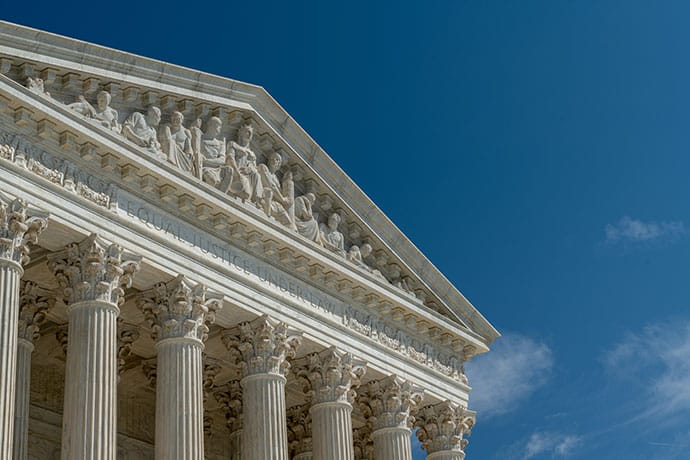
The COVID-19 pandemic was the first storm. We never fully recovered from it before the second hit: the U.S. Supreme Court’s Dobbs decision and the chaos it unleashed here in Arizona and across the country.
Then came the third: a new political climate so hostile that seasoned doctors are considering leaving the country entirely. I talk about these “storms” metaphorically, but I assure you they were real events that left my clinic barely standing.
I weathered each of these crises, and I’m still here. But keeping the doors open takes everything you have—and then more.
Storm 1: The Global Pandemic That Changed Everything
Before COVID-19, we had already been working under pressure, but the pandemic knocked out whatever stability we had left.
People think of abortion clinics as a political flashpoint. However, we are healthcare providers, and when the world shut down, we were still fielding emergency calls and trying to keep our doors open.
The staffing crisis hit fast. People would show up to work for a few days, then disappear. Others couldn’t handle the emotional and physical toll of working in a health clinic when so many people were sick. I found myself filing unemployment paperwork for staff who never returned. They just ghosted us completely! It was chaotic and exhausting.
We limped through those months with shortened hours and fewer hands, and the public felt the difference. According to a national survey by the Guttmacher Institute, nearly half of U.S. women said the pandemic made it harder to access reproductive health care.
Storm 2: The Day Dobbs Broke the System
When the Supreme Court announced it would take up the Dobbs challenge to Roe v. Wade, I watched people in our field scatter. Some left for other specialties, and others left medicine altogether.
The Commonwealth Fund confirms what I was seeing: providers and trainees began leaving states with abortion restrictions because of legal threats and professional burnout. It created what a report called maternity care deserts.
When the ruling came down, I had two staff members left. Everyone else had moved on.
The morning the Supreme Court decision was announced, my phone lit up before sunrise. We were already expecting the worst. By afternoon, every clinic in Arizona paused services except one.
Abortion providers like me were left to figure out our new reality while patients were still calling. That weekend, I stood in my clinic looking at a schedule we couldn’t honor, waiting to understand which of the laws, potentially in effect at the same time, I was supposed to comply with. My staff was also too small to meet patient demand.
Storm 3: The New Era of Hostility
Of course, the hostility toward abortion providers didn’t start with this administration. However, his second election sent a message: you could harass abortion providers and feel righteous doing it. You could push lies, show up at peoples homes, scream at patients and staff, and expect to suffer no legal consequences.
After Dobbs, my colleagues began fleeing in droves. One OB-GYN in Texas, Dr. Alireza Shamshirsaz, had to send a patient a couple of hundred miles away for lifesaving care because the law wouldn’t let him treat them. He decided to move his family to Boston and start over.
I hear from many of my colleagues across the country that they struggle to do their jobs. People are burned out and afraid, and some—especially in red states—are leaving.
We are trained to offer evidence-based medicine and do no harm. But the abortion laws in hostile states aren’t written to support patients. They’re written to punish doctors.
So when I say people are leaving, I don’t mean they’re giving up. They choose to practice medicine somewhere they won’t be criminalized for doing their jobs.
The Cumulative Effect
When people ask why keeping clinics open is so hard, they think about the law. But what nearly shut me down was the steady disintegration of the team I relied on to care for patients.
My staff came from other parts of healthcare, and the intimidation and fears around job safety were too much for some.
I had to cut clinic hours because I didn’t have enough people to operate safely. Throughout those challenging few years, I’d have someone show up ready to work one day, and the next, they’d email their resignation from home.
We started talking openly about fear, exhaustion, and grief. We didn’t pretend this work was normal—it’s not—but it matters.
People think running a clinic is about infrastructure and compliance. They forget it’s also about tending to people’s spirits—mine included.
Why We’re Still Here
Like so many others, these storms blew through my clinic. But I didn’t open these doors because I wanted it to be easy. People need care grounded in dignity and delivered with courage.
We’ve been hit by the virus, by the courts, by politics twisted into law. And yet, we persevere.
I’m not here because I’m brave. I’m here because this work matters. The people who walk through our doors deserve more than silence or shame. They deserve a place where someone will look them in the eye and say, “You still have options.”
That’s why I’m still here—and why we will fight to stay open.
