
Before We Ever Make Our First Choice
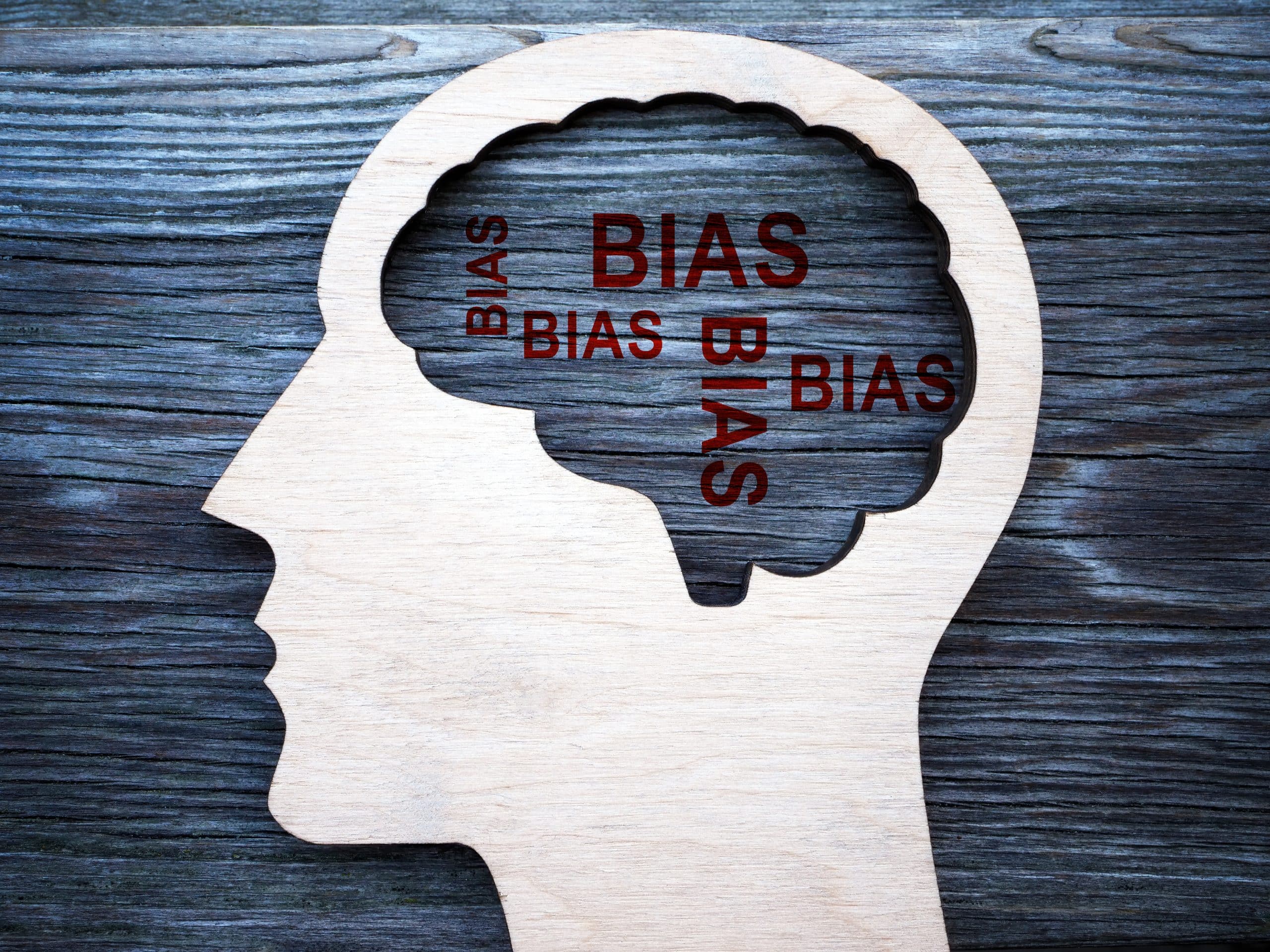
Before I ever made a reproductive decision of my own, the world had already told me what I was supposed to want. From childhood, girls are handed a blueprint: marry, have children, and center our lives around caring for others. Rarely do we have honest conversations about autonomy, consent, or the countless alternate paths available to us. By the time many of us are facing decisions about pregnancy, abortion, or parenting, we’re carrying years of unspoken expectations that don’t always belong to us and don’t lead to the lives we want.
I’ve seen this play out repeatedly in my work as a physician. Patients arrive burdened not just by the choice in front of them, but by everything they’ve been taught that choice is supposed to mean. The question isn’t only, “Do I want this pregnancy?” It’s often, “What does it say about me if I don’t?”
The Messages We Internalize Early
This conditioning starts quietly. The toys we’re given—baby dolls, tiny ovens—tell us what adulthood should look like. Religious teachings frame motherhood as sacred. Family members, often with good intentions, praise little girls for being “helpful” or “nurturing.” By the time we’re teenagers, these messages have taken root: good women become mothers, and good mothers sacrifice.
Research backs this up. By the time they are six years old, children across cultures have already absorbed gender stereotypes. Girls are expected to prioritize caretaking and relationships; boys are encouraged to pursue independence and ambition. This split isn’t innate. It’s a false dichotomy that’s taught, repeated, and rewarded from the moment we’re capable of self-perception.
And these early scripts matter. They shape how women see themselves, interpret their desires, and respond when their reality doesn’t match the blueprint they were sold.
The Cost of the Blueprint
This so-called blueprint for womanhood isn’t neutral. It comes with pressure. It leaves little space for the messy realities of reproductive life—the fact that not every woman wants to be a mother or that circumstances can make pregnancy complex, even impossible. It also creates unattainable expectations: be a mother, maintain a career, sustain a happy marriage, and do it all with a big smile and boundless energy.
I see this pressure in my patients. Some feel guilt for even considering abortion, not because they believe it’s wrong, but because they’ve been told since childhood that motherhood is inevitable, that “real” women choose it. They are made to believe that choosing an abortion isn’t just a failure, but a denial or betrayal of their womanhood. Others grieve not the abortion itself, but the loss of the future they were taught to imagine: the family they thought they were “supposed” to have by now.
Where These Ideas Come From
These messages didn’t appear out of nowhere. For generations, women have been told their highest value lies in motherhood and family life. Beginning with the 19th century concept of “True Womanhood,” and coined as a term in the 1960s, this conditioning is codified in what historians call the “Cult of Domesticity,” an ideal that celebrated women’s roles as wives and mothers while minimizing their ambitions beyond the home.
In 2025, traces of this mindset remain. Social media, for example, is full of “momfluencer” content that glorifies a “Trad Wife” lifestyle—perfect parenting and domestic bliss, often without acknowledging the structural and emotional realities behind it. For many women, the pressure to meet these ideals is overwhelming: not only are we expected to become mothers, but we’re also expected to excel in careers, prop up our partners, and keep our households running flawlessly.
Different Lives, Different Pressures
Early conditioning doesn’t look the same for every woman. Cultural, racial, and economic factors play a huge role. In some communities, motherhood is idealized as a rite of passage into adulthood; in others, higher education and career success are prioritized. Research shows that women with less access to higher education often describe motherhood in highly emotional, almost inevitable terms. In contrast, women with greater opportunities may experience more pressure to “do it all” perfectly.
For Black women, the picture is even more complex. Historical trauma and systemic racism shape both the expectations placed on us and the realities we face in reproductive healthcare. The exact blueprint (marriage, motherhood, caretaking) is filtered through a lens of structural inequities that leave us with fewer resources and more judgment.
Why This Matters for Reproductive Decisions
Understanding this conditioning is critical. When a woman considers an abortion or struggles with grief afterward, she isn’t making a decision in a vacuum. She’s wrestling with layers of cultural and familial expectations. She may feel shame not because of the decision itself, but because it conflicts with what she was told she “should” want.
And when we talk about reproductive rights and justice, we can’t ignore these internalized narratives. It’s not enough to make abortion legal or accessible; we have to unpack the messages that lead women to doubt their own choices in the first place.
Challenging the Conditioning
Willpower won’t be enough. Breaking free from early conditioning requires collective effort. Families can start by questioning the messages they give to children about gender and expectations. Schools and communities can create space for young people to explore diverse visions of adulthood that don’t hinge on traditional family structures. Media and policy also have roles to play: telling honest stories, supporting reproductive health care, and dismantling the shame around choices that diverge from the norm.
For women themselves, awareness is empowering. When we recognize that much of what we’ve internalized is cultural rather than natural, we can begin to choose what we want for our own lives. And that choice, whatever it is, demands respect.
A More Honest Conversation
Early conditioning runs deep. It shapes not just individual choices but entire systems. It writes policies, defines healthcare practices, and establishes how we treat women who step outside the blueprint. But by calling it out, we create room for new narratives. We make space for girls and women to imagine lives built not on expectation, but on authentic choice.
And that is where true reproductive freedom begins.
