
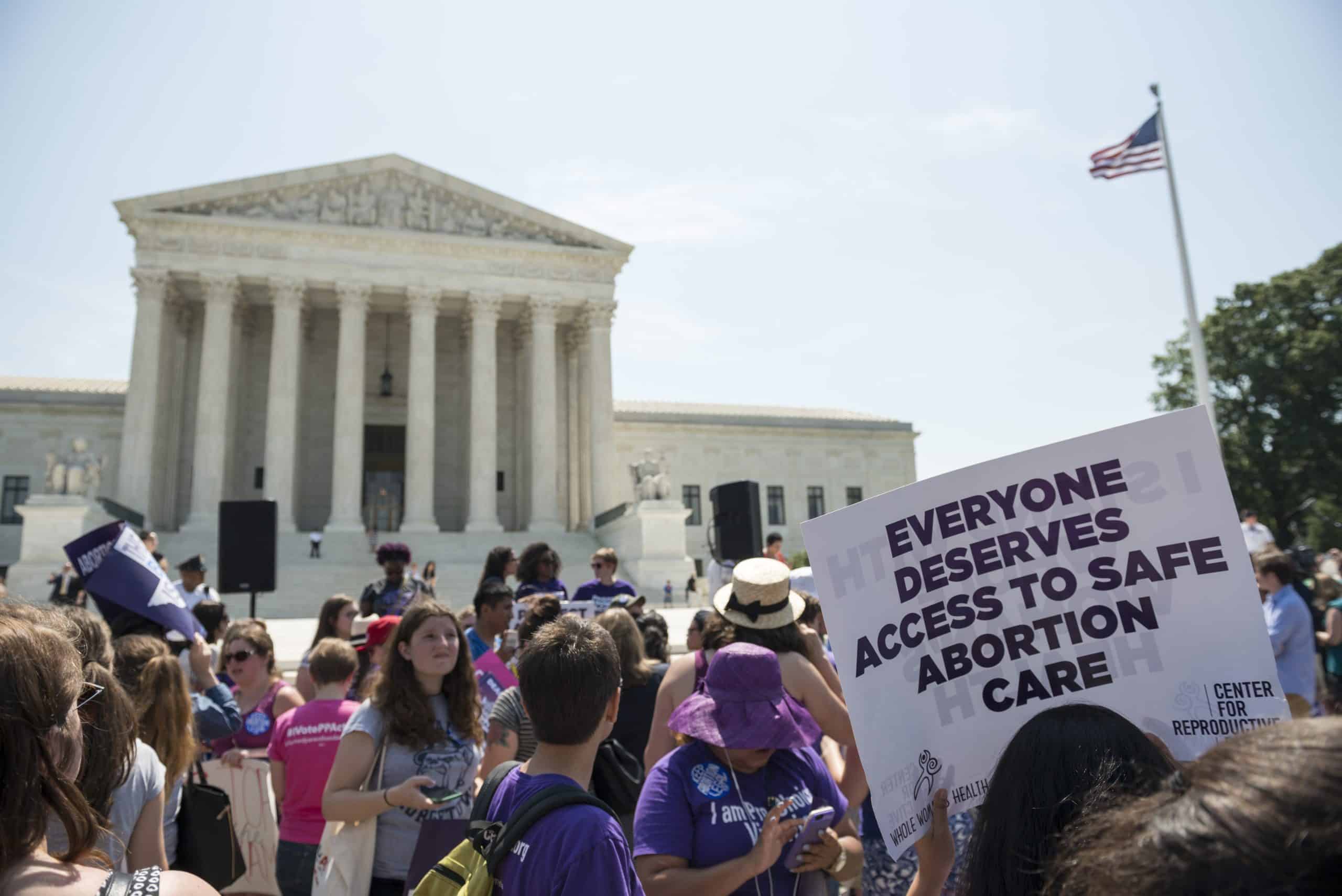
When I consider what abortion rights mean for Christians, I remember a day in my clinic that captured the struggle many patients face. A woman stood at the reception desk, voice shaking with frustration, clutching a stack of paperwork, her eyes red and tired.
“Why is it so hard to get what I need?” she asked, and I felt the weight of her words. Like many, she faced a maze of clinic protocols created to comply with restrictive state laws and her struggle between faith and necessity. For many Christians, this decision is marked by guilt, judgment, or shame.
This breaks my heart because I believe my faith has room for a compassionate, understanding view of abortion.
Abortion rights and faith can coexist, providing a foundation for supporting patients like her. As Christians and medical professionals, we can respect her dignity and autonomy while honoring her values.
Let’s explore how abortion rights align with Christian values of compassion and personal choice. We’ll examine historical beliefs, modern pro-choice denominations, and theological arguments that support a faith-based perspective on abortion.
Modern Christian Denominations Support Abortion Rights
For many of my patients, knowing that some Christian denominations openly support reproductive choice brings relief.
Churches like the United Church of Christ and the Episcopal Church view reproductive freedom not as a contradiction to faith but as a natural extension of compassion and respect for autonomy. These communities recognize that each person’s path is unique and that rigid rules shouldn’t dictate family, health, and future decisions.
These denominations affirm that ending a pregnancy can be a faithful decision guided by what feels right for one’s life.
This directory of pro-choice religious organizations provides a comprehensive list of such organizations, which captures the spirit of churches standing up for faith and freedom.
Theological Perspectives Supporting Abortion Rights
Scholars within Christian pro-choice theology, like Margaret Kamitsuka, remind us that compassion, dignity, and respect for a person’s journey are central to our faith.
Historically, Christianity’s views on abortion were diverse. Early leaders such as Gregory of Nazianzus and John Chrysostom condemned the double standards that held women alone responsible, leaving men unaccountable.
Historically, Christianity’s views on abortion were diverse, with some early Christian texts even describing contraception and abortion practices openly. This perspective shows that the choice to end a pregnancy doesn’t have to contradict your faith. It can be a decision made thoughtfully, grounded in belief.
Today, many Christians view reproductive rights as part of a compassionate faith that supports personal agency, dignity, and understanding.
Reproductive Justice and Christianity
Reproductive justice means addressing each person as a whole, considering the barriers they face outside clinic walls. This movement, championed by SisterSong, speaks to the right not only to have children or not but to raise them in safe, supportive environments.
This framework emerged in the 1990s when Black women recognized that “choice” alone couldn’t solve the systemic inequalities affecting reproductive health. As a Christian, I see this framework as a way to live out our calling to love and serve others, particularly those facing injustices beyond their control.
Faith-based organizations like Auburn Seminary emphasize that real support means reducing barriers like poverty, lack of healthcare, and unequal access to resources. This includes acknowledging how unreliable transportation, childcare needs, and financial strain shape healthcare access. At its best, Christianity steps in to meet these challenges with compassion.
The Poor People’s Campaign, led by Rev. Dr. William Barber and Rev. Dr. Liz Theoharis, argues that reproductive justice is part of a broader moral movement for justice. The campaign contends that justice for one group is justice for all, including the right to make reproductive decisions without financial or social punishment.
In my clinic, I see firsthand how policies restricting reproductive care disproportionately harm low-income patients, people of color, and LGBTQ+ individuals—the very people the church is called to serve, not ignore. From a Christian perspective, reproductive justice creates conditions where everyone can make healthcare decisions freely and with dignity.
Public Perception About Christianity and Abortion
When people hear “Christian” and “abortion” together, they often assume a strictly anti-abortion stance. But the reality is more complex.
Many pro-choice Christians believe that supporting reproductive rights aligns with core Christian values like empathy and respect for personal agency. According to The New Statesman, however, public narratives often miss this diversity, focusing primarily on pro-life voices that have dominated the conversation around faith and abortion. This narrow framing overlooks a growing number of Christians—especially younger generations—who believe reproductive rights are a natural extension of Christian compassion.
This public misunderstanding also fuels divisive rhetoric about reproductive care providers. Inaccurate social media posts and YouTube videos contribute to a skewed view, leaving people confused about what reproductive healthcare truly entails. This abortion misinformation ‘infodemic’ isolates those who need support and misrepresents compassionate Christians who support abortion rights.
In my practice, patients may arrive torn by the idea that their decision to have an abortion might conflict with their beliefs. I reassure them that Christian compassion means standing beside people in their most challenging moments—without judgment.
A Christian Call for Reproductive Justice
I remember a woman in my clinic, worn down and frustrated, caught between her beliefs and a difficult choice. As Christians, we’re called to support people like her during some of the most stressful days of their lives.
Christianity isn’t about adding to someone’s burdens but lifting them. Supporting reproductive rights means acknowledging that each person’s journey deserves respect. I see faith and reproductive justice as working hand in hand. We’re called to offer understanding, stand beside others in their struggles, and keep love in our hearts.
That’s the Christianity I bring to work every day.
