
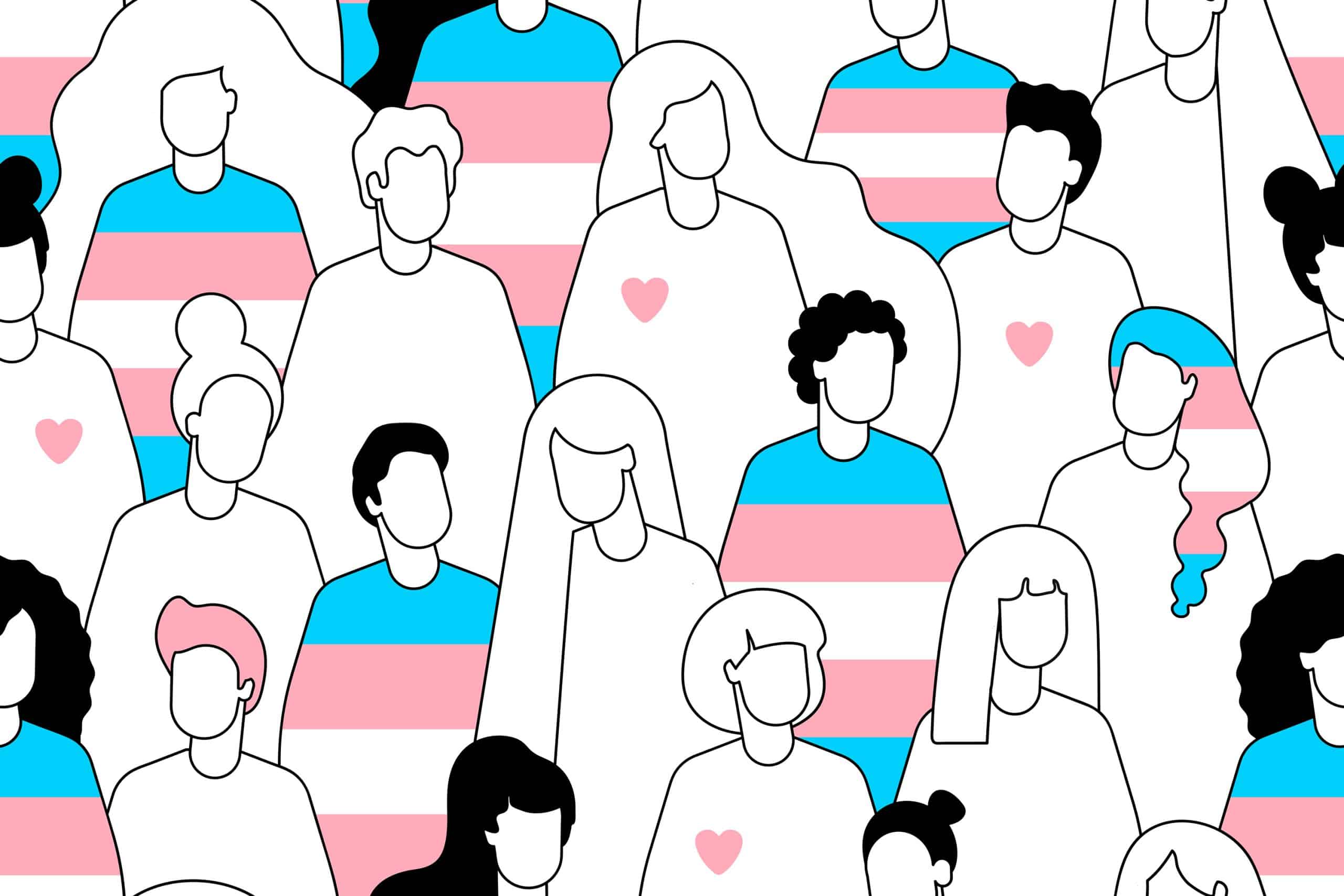
Heteronormativity is the belief that heterosexuality is humanity’s default position.
Under this belief, every family starts with a man and a woman; anything outside this definition is an exception. Heteronormativity is woven into our culture, from how forms at the doctor’s office are designed to how TV shows portray families. It can live in our words, our laws, and our institutions. Heteronormativity is the foundation of homophobia, transphobia, and discrimination based on gender identity.
In healthcare—especially reproductive care—heteronormativity erases and marginalizes LGBTQ+ individuals and families, making already challenging experiences even harder.
Heteronormativity is an assumption we need to unpack together, urgently and unapologetically.
The Language We Use Matters
Consider how we talk about pregnancy.
We often default to “mothers” or use “she/her” pronouns, ignoring that not all pregnant people identify as women. For transgender men and nonbinary people, this can feel like a door slamming shut. Language shapes belonging, and when our words fail to include someone, they quietly say, “This isn’t for you.”
As a healthcare provider, I’ve learned to be intentional with my words. I use gender-inclusive language like “birthing people” or “people experiencing pregnancy” to ensure that everyone feels seen and respected. This creates a space where patients feel safe to share their truths.
Examples of Exclusionary Language and Alternatives
- Mother/Father on medical forms → Parent/Guardian
- Women’s health as for reproductive care → Reproductive health
- She/Her pronouns for pregnant people → They/Them, Birthing Person
- Breastfeeding → Chestfeeding (when appropriate)
- Mr./Mrs. titles → Mx.
- Expectant mothers → Expectant parents
- Ladies and gentlemen → Everyone, Honored Guests
By adopting these alternatives, our clinics create a more inclusive environment. These small adjustments send a powerful message: everyone is welcome, and everyone matters.
Beyond Words: Larger Systems at Play
Heteronormativity isn’t just about language. It’s also systemic.
It’s why some LGBTQ+ patients are misgendered, denied care outright, or subjected to assumptions about their relationships. More than 25% of transgender patients report being deadnamed during medical appointments. Some patients struggle to find providers who understand their needs. Insurance battles to access trans-specific care can feel like scaling a mountain.
And it doesn’t stop there. LGBTQ+ parents face legal and institutional barriers, from adoption hurdles to restrictions on parental rights. These challenges reflect a dangerous truth: our healthcare and legal systems are not designed for all families—only some.
The Intersection of Heteronormativity and Reproductive Rights
The overturning of Roe v. Wade has compounded these inequities. In the Dobbs decision, the court argued that “modern developments” like changing societal attitudes and safe-haven laws lessen the burdens of parenthood.
But whose “modern developments” are they referencing?
The struggles of single mothers, LGBTQ+ parents, and families outside the heteronormative mold are ignored in this argument. It’s a convenient myth that erases the reality of systemic oppression.
How We Push Back
Here’s how we challenge heteronormativity and create a more inclusive future:
- Use Inclusive Language. Small changes matter. Words like “partner” instead of “husband/wife” or “parents” instead of “mother/father” signal a welcoming space. Audit your intake forms and training materials if you’re a healthcare provider.
- Educate Yourself. Follow LGBTQ+ activists, read their books, and listen to their stories. Learn about the barriers they face—and why.
- Support Inclusive Healthcare Providers. Seek out practitioners who understand LGBTQ+ health. Advocate for clinics and organizations fighting for reproductive justice.
- Speak Up. Challenge heteronormative assumptions in conversations, online and off. When you see discrimination, call it out. Allyship requires action.
Reframing the Conversation
Abortion care is healthcare. It’s not a “last resort” or a “necessary evil”; it’s a positive social good. Yet, even in progressive spaces, heteronormative ideas about who “deserves” an abortion persist. LGBTQ+ patients, especially trans men and nonbinary individuals, are too often made to feel like their pregnancies—and their decisions—are less valid.
There is no “good” or “bad” abortion. There are only people who must make deeply personal decisions.
We Can Do Better
Imagine a healthcare system where forms, exam room questions, and every interaction send the message, “You belong here.”
Families of all configurations would see their stories reflected in the policies of their healthcare system. This isn’t a distant dream; it’s a challenge we can meet through deliberate, courageous action.
This work is deeply personal to me, and I hope it is also for you. Progress comes from our courageous conversations with ourselves and our collective actions in our communities.
The road ahead is hard, but it’s paved with possibility. We can dismantle the barriers presented by heteronormativity and serve everyone equally—with their humanity fully recognized and honored.
