
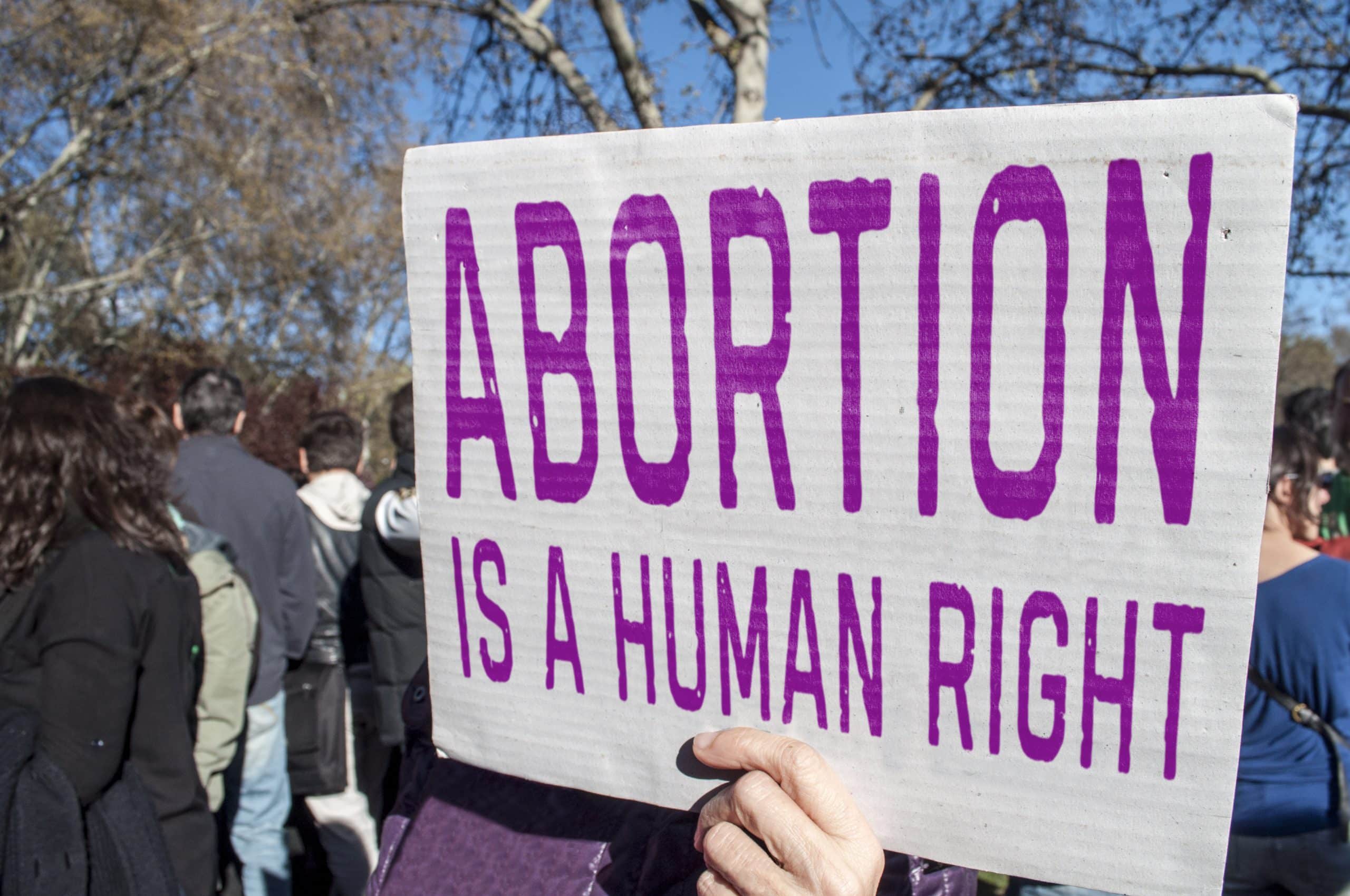
When I sat down with a writer for the Arizona Republic, we explored today’s pressing fears—especially the anxieties surrounding raising children in an increasingly unstable world. The article “A Generation Fears Uncertainties in Abortion Access and Climate Action” brought attention to the profound connections between abortion and climate action.
The newspaper’s interviews with young people revealed their greatest concerns: the unyielding march of climate disasters and a state willing to make personal choices for them. These issues—reproductive rights, climate stability, and control over one’s future—are deeply intertwined, not isolated struggles.
As a doctor working at the intersections of healthcare and justice, I see how interconnected these challenges are. The decision to start a family today is layered with considerations about the kind of world we’re bringing new life into.
Intersectionality allows us to see that struggles for justice, whether in healthcare or environmental protection, are not just adjacent; they amplify and deepen each other.
Understanding Intersectionality
When we talk about intersectionality, we’re talking about how our lives are impacted by layers of identity—race, class, gender, and beyond. These overlapping identities create unique challenges and barriers.
The term intersectionality comes from the work of legal scholar Kimberlé Crenshaw, who coined it in the late 1980s to show how people don’t experience discrimination in neat, separate categories. Crenshaw wanted us to see how Black women face unique forms of bias, different from the experiences of either Black men or White women. She showed how systems of discrimination—like racism and sexism—intersect and create experiences that are more than the sum of their parts.
Intersectionality is a way to understand that many people live at the crossroads of overlapping identities and, as a result, face layers of challenges that can’t be separated.
Working in healthcare, I see how these layers play out, especially for patients juggling multiple challenges all at once. Nobody’s identity can be divided into neat categories.
Take the young Arizonans in the Republic article, who spoke about how it feels to consider parenthood amid both climate instability and diminishing control over their reproductive choices. Their worries—about bringing a child into a hotter, less predictable world—highlight why we can’t just treat reproductive rights and climate action as separate fights.
Intersectional stories like these are powerful because they reveal the full picture. They remind us that fights for justice—whether in healthcare, environmental action, or economic security—are all connected. Recognizing these intersections helps us build a more inclusive movement.
Climate Anxiety and Reproductive Rights
Today’s young people question whether they want children when the world seems increasingly hostile and uncertain. I hear a recurring, deeply personal fear that extends beyond traditional reproductive concerns: a dread of raising children in a world marked by relentless instability.
My patients are rightly worried about abortion access. As I told the Republic, “The web of restrictions on the books creates a situation where a huge number of Arizonans still don’t think abortion is legal here, and so are not getting the care they need.”
But they’re also grappling with whether their future children could thrive at all.
Climate anxiety is felt most profoundly in communities already facing systemic barriers. In areas prone to extreme heat or pollution, the impact on health is magnified, especially for low-income and marginalized groups.
Addressing reproductive justice in these contexts requires understanding climate as a critical factor in the decision to have children, as it directly affects both health and quality of life. As research shows, marginalized communities are often disproportionately affected by environmental and healthcare access issues, compounding their climate anxieties with additional barriers.
Environmental Justice and Abortion: A Disproportionate Impact
In communities where resources are already scarce, environmental hazards and restricted access to reproductive healthcare can have devastating impacts.
In Arizona, extreme heat and pollution hit low-income areas hardest, creating health conditions that send people to the hospital. These marginalized populations are vulnerable to reproductive health complications. Environmental justice and reproductive justice are intertwined. When communities struggle to access clean air, water, or healthcare, they face additional barriers that affect their ability to plan families and make informed reproductive choices.
For many marginalized populations, restrictive abortion laws are only part of the picture. Environmental challenges compound healthcare barriers, leaving these communities disproportionately affected.
Data shows that racial and ethnic disparity in abortion access is stark, especially for minorities and other marginalized communities. These groups are more likely to live in areas exposed to pollution and environmental degradation, directly impacting their reproductive health.
Policies that ignore these realities are failing on basic human rights. To move forward, we need to see these intersections as central to any discussion about justice, health, and equality.
Climate Action as Reproductive Justice
Climate action is essential to reproductive justice, but it’s only one piece of a much larger framework.
The reproductive justice framework emphasizes the right to have or not have children and to raise them in healthy environments. In addition to climate concerns, the framework concerns clean air, housing stability, equitable healthcare access, and economic security.
Climate action is fundamental for better health outcomes for disadvantaged communities. When communities experience higher exposure to pollution and extreme temperatures, their reproductive health is at risk, and family planning becomes more complicated. The impact of environmental health disparities on reproductive outcomes shows that climate change and environmental neglect heighten the risks of pregnancy complications, respiratory issues, and long-term health effects, particularly in marginalized communities.
Public policy must work alongside initiatives that secure safe access to abortion. Policymakers must also remove economic barriers and improve social infrastructure. Families are left vulnerable without comprehensive action, facing cumulative risks undermining their health and autonomy.
A Call for Intersectional Awareness and Action
Working at the intersection of healthcare and justice, I see how reproductive rights, healthcare access, and climate action are woven together in people’s lives.
Restrictive abortion laws close doors to care and can force entire communities into cycles of poverty, health crises, and even criminalization. When someone fears prosecution just for seeking medical help, the basic right to healthcare unravels.
Reproductive justice can’t succeed without addressing intersections, especially in marginalized communities with the highest stakes.
I am inspired by community-based organizations that offer resources, healthcare, and advocacy to those pushed to the margins. These groups find solutions where policies fall short. For real progress, we need to support these efforts and push for policies that ensure everyone has the right to clean air, accessible healthcare, and control over their own reproductive choices.
Reproductive justice demands that we don’t separate these issues because they are intertwined in the lives of those we serve.
